Affordable AC Repair in Queens: Fixing Weak Airflow Before the Summer Heat Waves
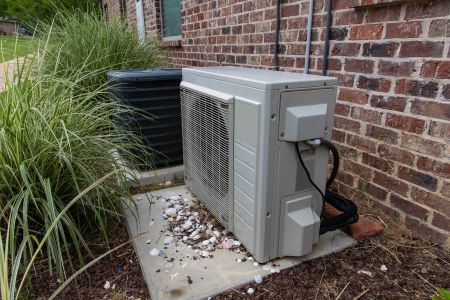
When your home needs AC repair in Queens, the first sign is often weak airflow. Hallways feel stuffy, bedrooms never cool, and the system starts to short cycle on humid afternoons. If your vents barely breathe, the specialists at Intercity Plumbing & Heating can help diagnose the real cause and restore steady, comfortable air. If you are ready to get a licensed pro on site, you can schedule ac repair with our local plumbing and cooling team.
Why Weak Airflow Hits Queens Homes In Summer
Queens has a lot of older multi-family buildings and brownstones, especially around Astoria and Flushing. Many of these homes have long duct runs, tight return grills, and shared risers that make airflow more sensitive to clogging and coil icing. Add coastal humidity that drifts in from the East River and the Atlantic, and you have conditions where evaporator coils freeze and airflow drops fast.
Weak airflow usually shows up with one or more of these symptoms:
- Rooms far from the air handler never reach set temperature
- Supply vents feel cool but faint, like a slow whisper
- System cycles on and off more often than usual in late afternoon
- Some vents blow while others feel dead or uneven
In our coastal neighborhoods, salt-laden moisture speeds up corrosion on outdoor condenser fins and pits small electrical parts. That wear makes fans work harder and relays chatter, which also reduces airflow and comfort.
Local insight: Operating an iced-up air conditioner can overheat the compressor and shorten its life. In Queens’ humid spells, a licensed technician should handle thawing and diagnostics to prevent further damage.
Professional Troubleshooting For Low Airflow
Low airflow is a chain reaction. The root cause might be in the indoor unit, the ducts, or the outdoor condenser. A trained technician from Intercity Plumbing & Heating follows a step-by-step process to locate the bottleneck and verify it with measurements, not guesses.
What A Pro Checks First
Before deeper testing, your technician establishes the basics: correct thermostat signals, blower operation, and safe electrical status. From there, they measure static pressure, temperature split, and motor amp draw to confirm whether the restriction is at the coil, in the return, or inside the ducts. This data-driven approach keeps you from paying for parts you do not need.
- Measure total external static pressure and compare to blower rating
- Check temperature split to see if the coil is transferring heat
- Inspect blower wheel and housing for dust buildup
- Verify motor and capacitor performance under load
- Assess return and supply duct sizes versus airflow demand
Frozen Evaporator Coils In Humid Weather
On muggy Queens afternoons, a small restriction can tip the system into a freeze-up. When the indoor coil gets too cold, moisture turns to ice, air slows even more, and the system may begin short cycling. Your tech will confirm coil temperature, inspect refrigerant metering, and check for restricted airflow at the filter, coil face, and return path. If the coil surface is blocked with dust or biofilm, the technician will recommend a professional coil cleaning to restore heat transfer.
Restricted Ductwork In Prewar Buildings
In prewar apartments and brownstones, returns are often undersized and supplies were added later during renovations. Long horizontal runs through crawl spaces, crushed flex sections, or closed balancing dampers all reduce air volume. Technicians map the system, take pressure readings at strategic points, and identify where resizing a return, re-opening a damper, or repairing a kinked section will bring airflow back into spec. This is especially common in stacked flats around Astoria where a single air handler feeds multiple rooms down a narrow hall.
Capacitor Failure Versus Refrigerant Leak
Homeowners often hear both terms during a summer service visit, but they mean very different things. Understanding the mechanics helps you read a repair estimate with confidence.
Capacitor failure: The run capacitor is a small can-shaped component that stores and releases an electrical charge to help the compressor and fan motors start and keep spinning. When it weakens or fails, the motor struggles to start, hums, or overheats. Airflow drops because the blower or outdoor fan is not moving enough air, and the system may shut down on safety. A technician verifies this with a microfarad reading under load and a visual check for bulging or leaking. Replacing a failed capacitor restores proper motor torque and normal airflow if no other faults exist.
Refrigerant leak: Refrigerant carries heat from inside to outside. A leak lowers system pressure, which can make the evaporator coil too cold and cause icing. Air feels weak because ice blocks the coil and reduces open surface area. A technician confirms a suspected leak by checking superheat and subcooling, then performing an approved leak search with electronic detection or dye. The real fix is to locate and repair the leak, pressure test, evacuate, and recharge to manufacturer specifications. Simply adding refrigerant without repair is a temporary bandage and risks further damage.
Here is the plain-language difference: a bad capacitor is an electrical assist problem that starves the motors of starting muscle. A leak is a refrigerant circuit problem that starves the coil of the heat-carrying fluid it needs. One is verified with electrical measurements, the other with pressure-temperature readings and leak detection. Capacitors can hold a charge even when power is off, and refrigerant work requires EPA-certified handling, so only licensed pros should perform these repairs.
How Coastal Salt Air Wears Fins And Relays
From College Point to Rockaway, salt and moisture ride the breeze. Salt crystals cling to condenser fins and act like tiny insulators that block heat transfer. Over time the metal oxidizes and the fins crumble. Corrosion also creeps into contactors and relays, creating pitted contacts that stick or chatter. That inconsistent power makes motors run hot and airflow suffers. Regular service helps catch this early during a Queens air conditioning tune up, where a pro can clean the coil with the right solution and test relays before summer peaks.
Salt air acts like sandpaper over time, so preventive care matters more along the coast than inland. Keeping vegetation trimmed around the condenser and having a licensed technician perform seasonal maintenance are simple ways to protect the equipment. Your technician may also recommend protective coatings on coils in homes closest to the water.
Short Cycling: What It Means And Why It Matters
Short cycling is when the AC starts and stops in quick bursts. In Queens, it often shows up on warm, humid late afternoons when inside heat and moisture are both high. Several problems can trigger it:
- An iced evaporator coil that briefly cools, then blocks airflow until it thaws
- A failing run capacitor that cannot keep the compressor or fan at speed
- Low refrigerant charge that trips safety controls
- Thermostat placement near a sunny window or heat source
Your technician will review the data collected during airflow testing, cross-check it with electrical readings, and verify refrigerant conditions. The goal is to stop the cycle at the source so your home cools steadily instead of in bursts. That protects the compressor, lowers stress on electrical parts, and improves comfort across rooms at the end of long duct runs.
What Repair Looks Like In Astoria And Flushing Buildings
Every layout is different, but Queens buildings share patterns. In Astoria walk-ups, techs often find a starved return near the bedrooms and a coil matted with lint. The fix may combine a professional coil cleaning with a return upgrade recommendation. In Flushing two-family homes, we often see a partially collapsed flex duct in a tight soffit that chokes the far bedrooms. There, a duct repair plus a verified-capacitor replacement can bring the system back to design airflow.
Whatever the cause, you should expect clear test results and next steps. That means measured static pressure before and after the repair, documented microfarad readings for replaced capacitors, and verified superheat or subcooling if a leak is involved. When you receive an estimate from Intercity Plumbing & Heating, each line item is tied to a test, so you can see how the diagnosis leads to the solution.
When A Tune Up Helps And When It Does Not
A Queens air conditioning tune up is ideal for cleaning coils, confirming electrical health, and catching early relay wear. It is not a cure for sealed-system leaks or chronic undersized returns. Your technician will tell you when maintenance will restore lost performance and when a targeted repair or modest duct modification is the smarter path. That saves time during heat waves when service windows are tight.
If you want a fast path to better comfort, our team can pair a maintenance visit with targeted fixes identified during testing. Many homeowners combine professional coil cleaning with a verified electrical repair to stabilize airflow before the worst humidity arrives.
Transparent Service From A Local Plumbing And Cooling Team
As a neighborhood plumber who also services cooling systems, Intercity Plumbing & Heating knows how older homes are put together and how to work neatly in tight spaces. We protect floors, communicate clearly, and leave you with test-backed results. If your vents feel weak or uneven, we can confirm the cause and complete professional air conditioning repairs so your home keeps pace with the forecast.
For many families, trust starts with plain talk. We will explain why a capacitor failed or how a leak was found, show the readings, and outline what happens next. If duct improvements will help, we will explain the options and the expected airflow gain in everyday language.
Why Choose Intercity Plumbing & Heating For AC Repair In Queens
We focus on accurate testing, clean workmanship, and clear communication. You will get a simple plan that prioritizes comfort and reliability over band-aid fixes. Many neighbors find us while searching for ac repair in queens, and they stay with us because we treat each home like our own.
Low refrigerant is not a normal condition. It signals a leak that needs to be found and fixed. Likewise, a weak or swollen capacitor points to a stressed motor that deserves a full check so the problem does not return during the next heat wave.
Ready For Reliable Cooling Before The Heat Waves
If your AC is blowing softly, short cycling, or icing up, now is the time to act. Call Intercity Plumbing & Heating at 718-464-5313 to book a visit, and we will diagnose the airflow issue with the right tools and explain the fix in clear terms. When comfort cannot wait, you can also request service online through our page for ac repair service so your system is ready before the next humid spell rolls through Queens, NY.
Don't Wait! Contact Our Long Island Plumber, Air Conditioning or Heating Contractor Today!