New York Gas Inspection Laws: Is Your Building Compliant with Local Safety Regulations?
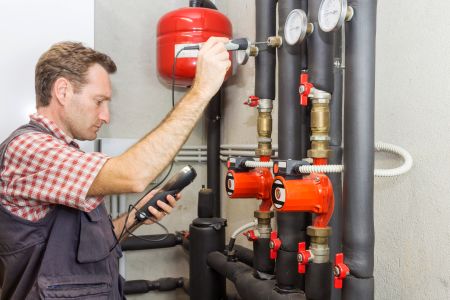
New York gas inspections protect residents, staff, and businesses while helping property owners meet local safety rules. If you manage a co‑op on the Upper West Side, a mixed‑use space in Brooklyn, or a small office in Queens, your building may be required to complete periodic gas piping safety checks and keep proof on file. To simplify the process, Intercity Plumbing & Heating assigns a certified gas plumber to perform a clear, step‑by‑step review and, when needed, a pressure test. If you are ready to get on the calendar, you can schedule a gas inspection with our team.
Regulations change from time to time and may vary by building type and size. We focus this guide on practical steps you can take now, so you understand what inspectors look for, which items trigger repairs, and how to document everything correctly.
Who Needs Gas Inspections in New York?
Many multifamily, commercial, and mixed‑use properties in New York must complete routine gas piping inspections and maintain records for local authorities or utility reviews. One‑ and two‑family homes may also need safety checks when gas work is performed, during utility turn‑ons, or any time a leak is suspected.
Older prewar buildings in Manhattan and brownstones in Brooklyn often have legacy black steel piping and older valves. Newer condos in Long Island City or Staten Island may include updated piping and appliance connections. No matter the age, regular New York gas inspections reduce risk and help avoid surprise shutoffs or violations.
What a Certified Visual Gas Inspection Includes
A certified visual inspection is a methodical walk‑through by a licensed plumbing professional. Our approach keeps the visit predictable, with a checklist your superintendent can follow. Here is what is typically reviewed:
- Exposed piping in public areas, basements, boiler rooms, corridors, and accessible mechanical spaces
- Meter banks, regulators, union joints, and drip legs, checking for corrosion, mechanical damage, or improper support
- Appliance connections where accessible, such as water heaters, boilers, ranges, and dryers, confirming approved connectors and secure fittings
- Accessible shutoff valves for each appliance and for branch lines, confirming clear labeling and reach
- Ventilation paths for fuel‑burning appliances and visible signs of backdrafting or soot
- Evidence of leaks using an approved detection method, along with odor checks in sample units and common spaces
We record locations, observations, and any corrective actions needed. If the visual reveals potential concerns, we advise next steps and, if required, perform a certified gas inspection with pressure testing after repairs.
Pressure Testing After Repairs
A pressure test verifies that repaired or newly installed sections of the gas system hold tight without loss. The licensed plumber isolates the portion being tested, installs a calibrated gauge, and introduces air or inert gas to the level appropriate for that material and scope. After stabilization, the test is observed for a set time. The exact test range and duration depend on pipe size, materials, and the authority having jurisdiction.
If the gauge holds steady within the allowed tolerance, the section passes. The line is then reconnected using approved fittings, and a final leak check confirms safety. The plumber documents the readings, equipment used, areas tested, and the date, and provides a signed certification for your building file.
If a Minor Leak or Non‑Compliant Piping Is Found
Findings are grouped into two buckets: immediate safety hazards and non‑compliance items. An immediate hazard could be an active leak, a missing or inoperable shutoff, or visible damage to piping. In such cases the affected area is isolated and shut down until fixed, and the utility or appropriate authority may require confirmation before gas is restored.
Minor issues, like a weeping joint or a non‑approved connector, are addressed by closing the local valve, making the repair or replacement, and then retesting the line. Once the section passes a leak check or required pressure test, service can be restored to that zone or appliance. We note what was repaired, where it was located, who performed the work, and which test verified the repair. Document everything your plumber inspects and repairs so you can respond quickly if the city or your insurer asks for records.
Safety Shutoff Valves and Ventilation Basics
Every gas system relies on accessible shutoff valves. There is typically a main building shutoff, and there should be valves for branches and for each appliance. Keep shutoff valves accessible and labeled so staff can isolate just the affected area during a repair. Some properties add safety devices like excess‑flow valves that can limit gas if a pipe breaks, or automatic shutoff technology compatible with building monitoring systems.
Proper ventilation is just as important. Fuel‑burning appliances need enough fresh air for combustion and a safe path for exhaust to the outdoors. Inspectors look for clear vent terminations, secure vent connectors, and no signs of backdrafting near boilers or water heaters. Rooms that house fuel‑burning equipment should have permanent openings sized to supply combustion air, following manufacturer instructions and local codes. A simple rule of thumb is to keep these spaces uncluttered and free of stored materials that can block grilles or louvers.
If you smell gas, leave the area and call 911 and your utility. Do not operate electrical switches. Wait for responders and your licensed plumber to declare the space safe.
Annual visual checks reduce emergency shutoffs, especially before heating season. In New York winters, loads rise and small issues can turn into outages. Schedule early in the fall so repairs and any needed testing are finished before the first cold snap.
Owner’s Prep Checklist Before Your Inspection
A little preparation helps the visit go smoothly and shortens downtime. Share this list with your super or property manager:
- Confirm access to basements, meter rooms, boiler rooms, rooftops, and any locked mechanical spaces
- Notify residents or tenants in advance if sample unit entry may be required
- Clear storage away from meters, valves, and appliance fronts to allow visible inspection
- Have recent maintenance logs, prior inspection reports, and any violation notices ready
- Verify that appliance and branch shutoffs are reachable and labeled for quick isolation
When we arrive, we follow a clean, respectful process that keeps business hours and resident privacy in mind. If we find a condition that needs repair, we explain it in plain language and provide a written punch list you can track to completion.
How We Handle Findings, Step by Step
Our field workflow is built around safety and compliance. First, we secure the area and isolate the section if a leak is detected. Second, we complete the repair to code using listed materials. Third, we perform the appropriate leak check or pressure test and record results. Finally, we restore service to the repaired area and update your records with photos and notes.
For administrative non‑compliance such as missing labeling, improper support, or unprotected piping, we correct the condition and document the fix. Where permits or filings are needed, we coordinate with the authority having jurisdiction so you are not left guessing about next steps.
Recordkeeping, Proof, and Filing
Accurate documentation is what turns a good inspection into full compliance. Your file should include the plumber’s license details, date and scope of inspection, locations checked, deficiencies found, work performed, and test results. Photos help show access, labeling, and meter conditions.
Some owners keep both a digital and a printed binder at the site so supers and managers can respond quickly to questions from inspectors, insurers, or lenders. Store copies of sign‑offs or certifications, utility correspondence, and any notices that show when the next check is due. When in doubt, retain the record. It is far easier to prove a past inspection than to recreate it months later.
Local Context: Buildings Across New York
Each neighborhood brings its own challenges. Prewar walk‑ups in the East Village may have tight meter rooms. Newer towers in Downtown Brooklyn might blend residential and retail loads on shared services. Small restaurants along the Bronx’s Arthur Avenue need safe appliance connections and ventilation that stands up to heavy use. Seasonal weather also matters. Heavy winter demand can reveal weak joints, while humid summers can speed up corrosion in poorly ventilated spaces.
Our team adapts the inspection plan to your layout, from garden‑level meters to rooftop mechanical rooms. We coordinate with building staff to reduce disruptions to tenants and businesses.
Why Choose Intercity Plumbing & Heating For Local Law Gas Piping Compliance
Intercity Plumbing & Heating focuses on regulatory compliance, not guesswork. We start with a structured visual inspection, then move to testing only when needed. Our licensed team explains findings with photos and plain‑English notes so owners and boards can make fast, confident decisions.
Whether you manage a mid‑rise in Queens, a brownstone in Park Slope, or a commercial space in Midtown, you get a certified gas plumber in NY who treats safety and paperwork with equal care. We do not cut corners. We help you plan repairs, schedule retesting, and organize records so your next audit is simple and stress‑free.
What You Can Expect From Start to Finish
Here is the typical flow when you work with us:
- Scheduled visit with a clear window and on‑site check‑in with your super
- Certified visual inspection with photos, notes, and a prioritized punch list
- Repairs completed to code using approved materials and methods
- Leak checks or pressure tests as required, with recorded readings
- Final walk‑through, labeling, and delivery of a clean documentation package
If your timeline is tight due to an upcoming inspection window, we can phase work to keep critical areas operating while we correct non‑compliant sections elsewhere.
Protecting People, Property, and Operations
Beyond rules and paperwork, gas safety is about protecting people and keeping your building open. We design work plans to minimize closures of kitchens, laundry rooms, or boiler rooms where possible. We also coach supers and managers on routine checks, like listening for hissing, watching for soot, and keeping access to valves and vents open. These small habits reduce emergencies and make inspections faster.
Remember, if meters or valves are blocked, you lose precious minutes in an emergency. Keep three things open at all times: the path to the meter room, the area in front of appliance shutoffs, and the space around vent terminations outdoors.
Ready To Schedule Your New York Gas Inspection?
Stay compliant, reduce risk, and get clean documentation for your records. Call Intercity Plumbing & Heating at 718-464-5313 or book a time online to put your building on a safe, repeatable schedule. Start your compliance plan today with our dedicated gas inspection team.