Protecting Your Queens Basement: A Guide to Sump Pump Backup Systems for Local Flood Zones
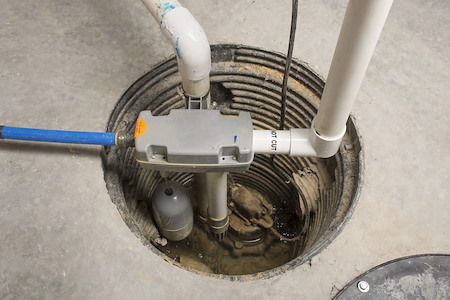
Basements across Queens, NY face a unique mix of heavy rain, coastal weather, and power flickers that can overwhelm a standard sump setup. The right sump pump backup system keeps water moving when the lights go out and gives your home a safety net during the kind of downpours that hit neighborhoods like Howard Beach, South Ozone Park, and Bayside. If you have any active leaks or signs of water intrusion today, schedule professional plumbing repairs so a licensed tech can evaluate your system before the next storm.
Why Queens Basements Flood More Often
Our borough sits between tidal waterways and dense city streets. In many areas, intense rain can raise groundwater quickly and push moisture toward foundation walls. Along the South Shore and around Jamaica Bay, wind-driven rain and high water tables add more pressure. Inland communities like Forest Hills or Fresh Meadows may not see waves, but they still feel the impact when back-to-back cells drop inches of rain.
Power outages are the number one reason sump pumps fail during storms. Even a short outage can stop a pump long enough for water to rise and spread under flooring, storage, or mechanicals. A backup system bridges that gap so your pump keeps working when you need it most.
How Sump Pump Backup Systems Work In Queens, NY
Backup systems are a second line of defense that take over when your primary pump loses power or cannot keep up. Pros typically recommend one of three paths based on your home, neighborhood, and risk tolerance.
Battery Backup Pumps
Battery backups sit in the same pit or a second pit and turn on when the primary loses power. They run on a deep-cycle battery with a smart charger that keeps the battery ready year-round. Look for high-capacity units with clear status indicators and audible alerts. A tech can size the pump to your pit and lift height so discharge volume matches typical Queens storm patterns.
A backup system is only as good as its battery and charger. Discuss battery type, expected runtime, and how your household’s storm history affects sizing. In flood-prone spots near Broad Channel or Rockaway, many homeowners choose larger battery banks for added runtime between charges.
Water-Powered Backup Pumps
Water-powered units use municipal water pressure to pull water from the pit through a venturi effect. They do not rely on electricity or batteries, which makes them attractive where outages are common. These are best for homes with reliable city water pressure and appropriate discharge routing. A licensed plumber will confirm compatibility with your plumbing system and install the required components so the drinking water supply stays protected and separate.
Generator-Ready Primary + Backup
Homes with standby generators often combine a high-quality primary pump with a secondary electric backup on a dedicated circuit. When the generator activates, both pumps have power and can run together during peak inflow. This approach gives strong performance in larger basements and for homes that see long-duration rains.
Choosing The Right Backup For Your Queens Home
There is no one-size choice. Your best option depends on how water reaches your basement, your typical outage length, and the layout of your discharge line. During an in-home visit, a pro will consider the following:
- Storm patterns in your part of Queens, including wind-driven rain and past outage history
- Pit size, basin depth, and lift height to the discharge point
- Discharge route away from the foundation and any freeze-prone sections
- Household water pressure if considering a water-powered unit
- Alarm preferences, such as text alerts or Wi‑Fi app notifications
Many finished basements in neighborhoods like Elmhurst, Jackson Heights, and Whitestone benefit from a dual approach: a reliable primary pump plus either a battery backup or water-powered backup for redundancy. Your technician will balance performance, runtime, and maintenance so the system fits your daily life.
Smart Monitoring, Alarms, And Maintenance
Backup systems are most useful when you know they are working. Modern controllers add visual indicators, audible alarms, and smartphone notifications for low battery, power loss, or rising water. That visibility matters if you store seasonal items, keep a home office downstairs, or travel often. For homes that have battled repeated clogs and slow drains, pairing sump protection with regular sewer maintenance can improve overall resilience. If you are deciding between quick clearing and a deeper clean, this overview on drain cleaning vs. drain clearing explains how pros choose the method that lasts.
Never route sump discharge into a sanitary drain. Discharge should move safely outside and away from the foundation. A licensed plumber will confirm routing and check valves so water cannot return during a surge.
Installation Details Pros Focus On In Queens Homes
The difference between a good system and a great one is in the details. Experienced teams in Queens watch for several installation factors that protect your home during peak rainfall:
- Dedicated, grounded electrical supply for the primary and backup controllers
- Separate check valves for each pump to prevent backflow between lines
- Secure basin lid to reduce humidity and protect components
- Discharge line pitched away from the house, with freeze protection where needed
- High-water alarm with battery backup and clear testing procedures for service visits
If a previous flood also affected boilers or air handlers in the basement, it is worth reviewing adjacent systems after your sump upgrades. Our team coordinates repairs with full home plumbing services so interconnected issues do not slip through the cracks during the next storm cycle.
Queens Flood Zones, Basement Use, And Insurance Language
Basement water problems come from different sources. Groundwater seepage through walls and floors is common after long rain events. Sewer backups can also occur during intense storms when systems are stressed. The right backup helps manage rising groundwater in the pit, while separate plumbing solutions address sewer backup risk. That is why pros ask how and when you have seen water, not just how much.
If you keep appliances, storage, or living space downstairs, walk your technician through what matters most. They will prioritize pump capacity, alerting, and redundancy to protect the areas that carry the biggest risk for your family.
What To Ask Before You Choose A Backup System
Going into a consultation with the right questions helps you select a system that fits your home and neighborhood. Consider asking:
Which backup type best matches typical outages here? How long will the chosen system run during a storm? Where will the discharge go, and how will it be protected in winter? What alerts will I receive, and who gets notified if I am away? How will service visits verify everything is ready before peak storm seasons?
Answers should be clear, specific to your address, and backed by a plan for routine checkups. When combined with whole-home evaluations and proactive service, a strong sump solution becomes one part of a broader protection strategy.
Putting It All Together For Your Queens, NY Home
From Astoria to the Rockaways, the right backup is a practical investment that helps prevent rushed cleanups, damaged finishes, and weeks of disruption. A licensed plumber will size equipment precisely, confirm routing, and set up monitoring so you can focus on life upstairs instead of water downstairs.
Schedule a professional test before the next heavy‑rain season. If your system needs upgrades, the work can be planned on your schedule rather than in the middle of a storm. When larger plumbing issues show up during a visit, your crew can coordinate fast, durable plumbing repairs so the whole system is ready.
Ready To Protect Your Basement?
When storms are in the forecast, a well-planned backup keeps water moving and your basement dry. Our local team is ready to help you choose, install, and maintain a system that stands up to Queens weather.